 EN
EN
EN
EN
 ES
ES

Family Med & Urgent Care Clinic












Peripheral Vascular Disease Evaluation – Z-2-H Family Med & Urgent Care Clinic®
Comprehensive In-Clinic Evaluation for Peripheral Circulation Disorders
At Z-2-H Family Med & Urgent Care Clinic®, our clinicians provide comprehensive evaluations for Peripheral Vascular Disease to assess blood flow, vascular symptoms, and risk factors. We coordinate diagnostic testing, treatment planning, and specialty referrals to reduce complications and improve mobility.
We accept most major insurance plansWhat Is a Peripheral Vascular Disease Evaluation?
A Peripheral Vascular Disease evaluation focuses on identifying conditions that affect blood vessels outside the heart and brain. PVD may involve narrowed or damaged arteries or veins and can lead to pain, swelling, skin changes, or non-healing wounds if untreated.
What We Review During Your Evaluation:
- Leg pain, cramping, or fatigue with walking
- Swelling, discoloration, or temperature changes
- Skin ulcers or delayed wound healing
- History of diabetes, smoking, or heart disease
- Blood pressure, cholesterol, and vascular risk factors
- Need for imaging, vascular testing, or referral
Why Peripheral Vascular Disease Evaluation Matters
In-clinic visits allow focused vascular assessment and coordinated testing. Z-2-H Family Med & Urgent Care Clinic® helps patients:
- Identify circulation problems early
- Reduce risk of limb complications
- Improve walking tolerance and daily function
- Prevent progression of vascular disease
- Coordinate vascular or cardiology referrals
What to Bring to Your Visit
To make the most of your appointment, please bring:
- A list of medications and supplements you take
- Your insurance card (remember, we accept all insurances)
- A photo ID
- Any previous medical records or test results
We Accept All Major Insurances
At Z-2-H Family Med & Urgent Care Clinic®, we accept Medicare, Texas Medicaid, Blue Cross Blue Shield, Aetna, UnitedHealthcare, Cigna, Curative, Oscar, Baylor Scott & White Health Plan, Care N Care, Tricare, Wellcare, Molina, Superior HealthPlan and many other commercial insurance plans using our billing company DK Physicians PLLC.













Providers
Meet Our Medical Staff
Z-2-H Family Med & Urgent Care Clinic®
provides comprehensive healthcare services for every member of your family, from the youngest to the oldest.
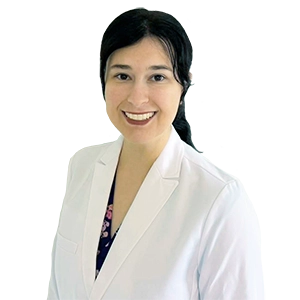
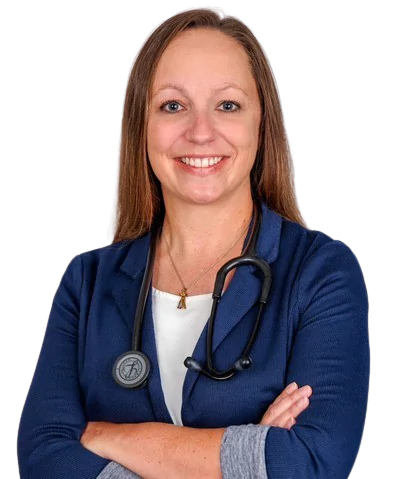
Our dedicated team includes Board Certified Family Medicine physicians and Physician Assistants












Reviews
What People Are Saying
Google Review 4.5/5.0 (420+ reviews)

Angelique M.

Every one here was so nice! I have a lot of anxiety and they made me feel so comfortable and heard. Beautiful facility too! Vey clean!
March 2024
Barbara W.
Took my elderly mother, who is also a cancer patient there looking for a primary care doctor. I have 30 years of experience under my belt of dealing with medical professionals, and I don't give 5 stars easily. The place was immaculate, and we were greeted with smiles when we walked through the door.
August 2023
Tehila M.
Dr. Pillai was very kind and thorough. This is our second visit at this facility. Everyone is very kind and attentive.
I would absolutely recommend this facility and the doctors.
April 2024
Lee J.
First timer.. Phone staff was professional, friendly and informative. PA at tge off was very pleasant, showed concern in helping me. The doctor was personable, make me feel at easy with diagnosis and treatment.
It was a very good experience. Thank You
January 2024
Almaa S.
Both The Dr. & The Receptionist Were Very Nice & Seemed To Care About What You Have To Say !
July 2024
Frequently Asked Questions (FAQs)
Z-2-H Family Med & Urgent Care
What is Peripheral Vascular Disease (PVD)?
PVD refers to disorders affecting blood vessels outside the heart and brain, commonly involving the legs.
What symptoms may indicate PVD?
Symptoms include leg pain with walking, swelling, skin color changes, numbness, or non-healing wounds.
Is PVD the same as PAD?
PAD is a type of PVD that specifically affects arteries, while PVD also includes venous conditions.
Who is at risk for PVD?
Risk factors include smoking, diabetes, high blood pressure, high cholesterol, and older age.
Can mobile urgent care evaluate PVD?
Yes. Mobile providers can assess symptoms and coordinate appropriate testing or referrals.
What tests may be recommended?
Testing may include vascular exams, imaging, or circulation studies.
Is PVD a serious condition?
Yes. Untreated PVD can lead to pain, mobility limitations, and serious limb complications.
Are visits private and HIPAA-compliant?
Yes. All visits follow HIPAA-aligned privacy standards.
Do you accept insurance?
We accept most major insurance plans. Coverage varies by policy.
Can PVD be treated?
Treatment may include lifestyle changes, medications, compression therapy, or specialist care.
When should I seek urgent care?
Seek urgent care for sudden leg pain, color changes, wounds, or signs of infection.
Can telehealth be used for follow-up?
Yes. Telehealth visits are often used for follow-up and care coordination.
What should I bring to my appointment?
Bring a list of medications, medical history, and any prior vascular testing results.
What happens after the evaluation?
You will receive a care plan, treatment guidance, and referral recommendations if needed.